Santa Monica | February 03, 2026
A Wellness Conversation With Dr. Natalie Crawford and Brigid Titgemeier
At Proper, wellness is integrated into the guest experience through spaces and services designed to support recovery, restoration, and long-term health. From Surya Spa and dedicated Wellness Rooms to the Recovery Suite, Proper’s approach centers on evidence-based modalities and environments that help the body reset, perform, and adapt.
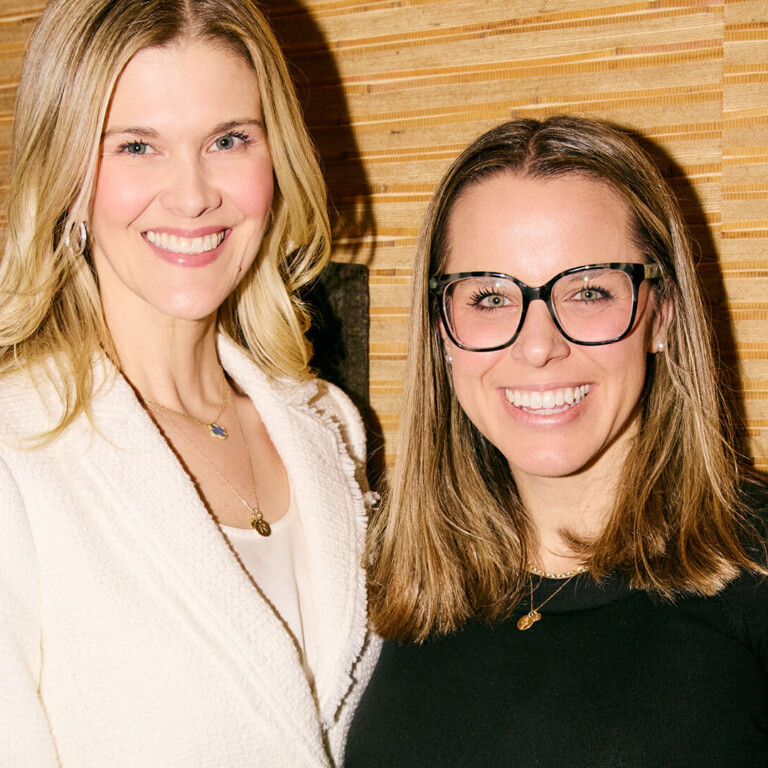
This past January, as part of Proper’s ongoing wellness programming for guests and Proper Club members, Dr. Natalie Crawford, a board-certified reproductive endocrinologist, and Brigid Titgemeier, a registered dietitian and functional nutrition expert, were welcomed at Santa Monica Proper for a conversation on fertility and metabolic health. The discussion examined how hormonal and metabolic systems influence energy, recovery, and overall wellbeing, reflecting Proper’s broader commitment to wellness from every perspective.
Fertility is often discussed only when it becomes a concern. What is less commonly understood is that fertility reflects the body’s underlying metabolic and hormonal health long before conception is a goal. Subtle changes in energy, sleep, blood sugar regulation, or menstrual cycles are often early signals, not isolated issues.
Fertility and metabolic health are often treated as separate conversations. This separation is one of the most damaging myths in modern wellness, obscuring how interconnected systems such as hormone signaling, metabolism, and inflammation shape overall health.
The Daily Habits That Matter Most
When asked to name the single most impactful daily habit for improving fertility and metabolic health, both experts focused on physiological fundamentals rather than wellness trends.
Brigid Titgemeier highlights blood sugar stability as a cornerstone of hormone health. Consistent meals that include adequate protein, fiber, and healthy fats help prevent chronic glucose spikes that quietly drive inflammation and hormone disruption long before lab results show abnormalities. Stable blood sugar supports energy, appetite regulation, ovulation, and fertility.
Dr. Natalie Crawford also points to sleep as foundational. Prioritizing at least seven hours per night allows insulin sensitivity to improve, inflammation to decrease, and reproductive hormones to recalibrate. Without adequate sleep, even the most nutrient-dense diet cannot fully support ovulation quality or hormonal signaling.
Together, their guidance reinforces that wellness is built on repeatable, supportive habits rather than sudden interventions.
The Myth of “Healthy” That Is Hurting Hormones
One of the most common misconceptions both experts encounter is the idea that being healthy means eating less, exercising more, and constantly restricting.
For Titgemeier, chronic under-fueling is a major driver of hormone imbalance, especially in women. Low-calorie and low-fat approaches elevate cortisol, disrupt ovulation, and worsen insulin resistance. What often looks like discipline can quietly stress the metabolism.
Dr. Crawford adds that separating fertility from overall health can negatively affect both reproductive outcomes and long-term wellbeing. Irregular cycles, hormone shifts, or fertility challenges are not random, but rather signals of metabolic stress, inflammation, or disrupted hormone communication that deserve attention.
The Fertility Markers People Miss Too Early
Many people focus only on basic lab work or cycle regularity. Both experts argue that this approach overlooks early warning signs.
Titgemeier encourages earlier attention to fasting insulin, not just glucose or A1C. Insulin resistance can develop years before diagnosis and affects ovulation, egg quality, inflammation, and weight regulation, even in individuals without PCOS or diabetes.
Dr. Crawford emphasizes cycle quality over simple regularity. Ovulation timing, luteal phase length, and subtle changes in cycle patterns offer valuable insight into hormonal health long before fertility becomes a concern.
These markers provide actionable information when addressed early.
When Discipline Becomes Metabolic Stress
In the pursuit of optimization, many wellness routines unintentionally push the body into chronic stress.
Titgemeier cautions against over-fasting, under-eating, and excessive exercise, particularly for women. Metabolic health improves when the body feels nourished and supported, not depleted.
Dr. Crawford highlights the often-ignored role of skeletal muscle. Muscle tissue improves insulin sensitivity by allowing glucose uptake without insulin, reducing inflammation and supporting ovarian function. Strength training is not about aesthetics. It is a powerful metabolic tool.
Why Sleep Amplifies Everything Else
Both experts agree that sleep is not optional.
Poor sleep worsens insulin resistance, disrupts appetite hormones, elevates cortisol, and interferes with ovulation. While diet and movement matter, sleep amplifies their effectiveness. Without it, hormonal balance becomes significantly harder to achieve.
This insight reinforces why restorative environments and recovery focused experiences play a meaningful role in overall health.
Wellness Trends Worth Rethinking
Not all wellness trends support long-term health.
Titgemeier points to constant snacking and grazing, often marketed as metabolic support. Frequent glucose spikes keep insulin elevated throughout the day, limiting metabolic flexibility and hormone balance.
Dr. Crawford highlights environmental toxins as an area often dismissed due to overwhelm. Daily exposure to endocrine disruptors from plastics, cookware, water, and personal care products contributes to inflammation and hormone disruption. Small, consistent changes can meaningfully reduce this burden.
Listening to the Body’s Early Signals
Some symptoms are too often normalized.
Persistent fatigue, brain fog, and bloating are common early signs of inflammation, gut dysfunction, or blood sugar dysregulation. Changes in menstrual cycles, including shorter cycles, spotting, or increased pain, should also never be ignored. The menstrual cycle functions as a vital sign, offering real-time insight into overall health.
Integrating These Insights Into a Wellness-Forward Lifestyle
At Proper, wellness is rooted in evidence-based practices that support the whole person. Insights like these align naturally with experiences focused on restorative sleep, thoughtful nutrition, movement, and recovery.
For guests interested in deepening their wellness journey, explore Proper’s approach to wellbeing through curated experiences and amenities designed to support balance and longevity.
Frequently Asked Questions
How does this conversation reflect Proper’s approach to wellness?
Wellness at Proper is approached as both a physical practice and an ongoing dialogue. In addition to recovery-focused spaces and wellness amenities, Proper hosts expert-led conversations that explore how health systems such as metabolism, hormones, sleep, and recovery intersect. This conversation reflects Proper’s interest in providing context and education alongside experiential wellness offerings.
Who can attend wellness programming at Santa Monica Proper?
Access varies by program. Many wellness conversations and experiences are open to hotel guests and Proper Club members, with details shared in advance as part of Proper’s ongoing programming.
How is Proper embracing wellness beyond conversations and events?
Wellness at Proper is embedded into the guest experience through dedicated recovery offerings and technology-forward amenities. At Santa Monica Proper, this includes the Recovery Suite and advanced modalities such as the Ammortal Chamber, which supports recovery, performance, and longevity. Learn more about Proper’s recovery offerings. Proper’s approach to wellness and recovery has also been recognized in recent press, including coverage by Forbes Travel Guide, which explores how select Proper properties are shaping modern health-focused hospitality.
Where can I find upcoming wellness programming at Proper?
Recent and upcoming programming is shared on Proper’s Happenings page, which highlights experiences across properties and communities.


