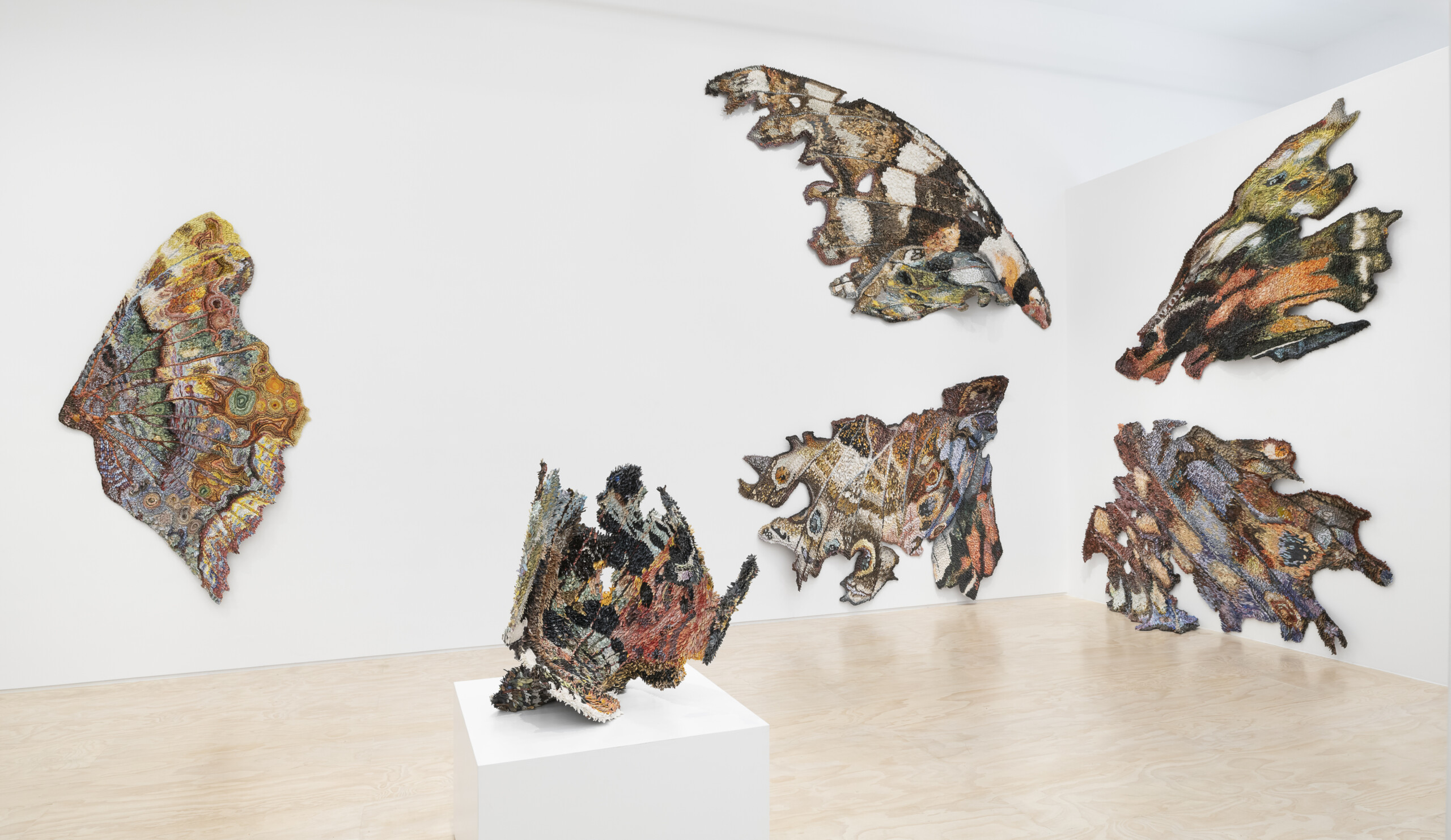
San Francisco | June 30, 2026
Homegrown
Six members of San Francisco’s design community on what makes the City by the Bay unlike anywhere else.
San Francisco has always resisted easy categorization. This is, after all, the place where the Beatniks migrated to in the 1950s, the epicenter of 1969’s Summer of Love, and a modern-day hub for tech innovation. Its rolling hills, coastline, and proximity to the majestic redwoods of Muir Woods, Lake Tahoe, and the Napa Valley provide endless opportunities for inspiration in nature. With a laid-back sensibility combined with intellectual rigor, it is not New York or Los Angeles, and its design community reflects that.
At the close of San Francisco Design Week, we ask six people who know the city’s creative character best—design entrepreneur Yves Béhar, Homan Rajai of Studio Ahead, gallerist Jessica Silverman, multi-hyphenate Amir Mortazavi, FOG Design+Art director Sydney Blumenkranz, and interior designer Noz Nozawa—what makes San Francisco unlike anywhere else.
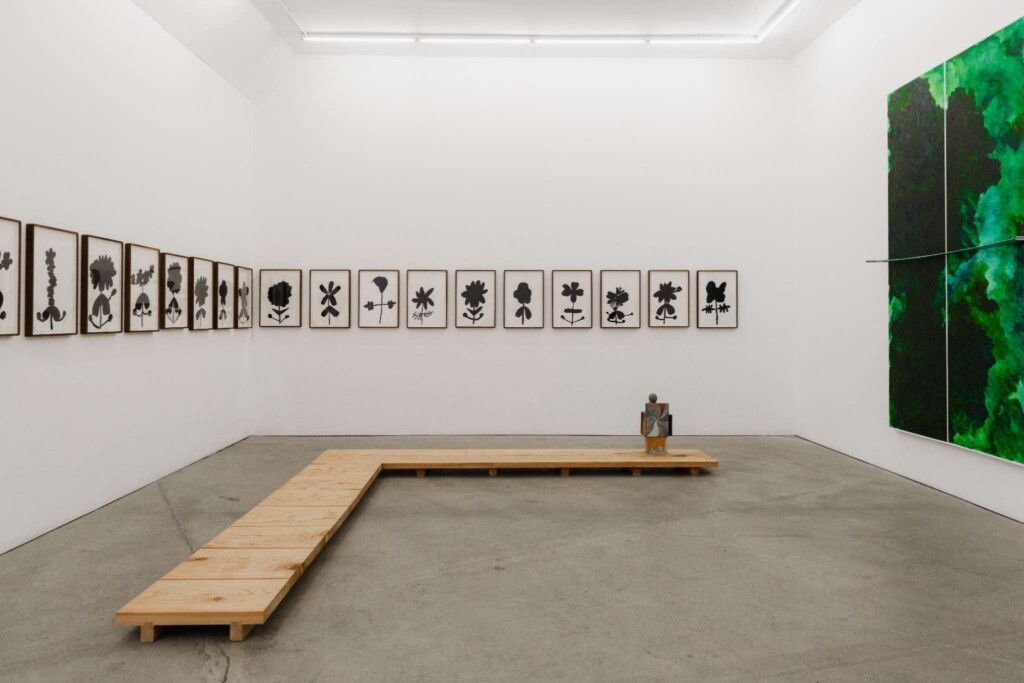
Homan Rajai
Designer, Studio Ahead
The beauty of San Francisco is that you can hop in a car and be in redwoods, oak groves, rolling golden hills, or the Pacific coastline in 15 minutes. San Francisco is a culture and place surrounded by some of the most beautiful nature in the world. Our Sheep Collection both sculpturally and materiality is very based on our surroundings. The material is sheep wool sourced from Sonoma and Napa from shepherding communities. All the sheep wool is dry felted (no glue) and undyed. Sometimes in the fabric you still have natural vegetative material from the sheeps grazing in the hills. And then the sculptural forms we create for the beds, sofas, and chairs are inspired by the sensuous forms we experience from the undulating rolling hills, rocks smoothed and formed by the movement of currents in the Russian River or the Pacific Ocean. There is so much there we are pulling from.
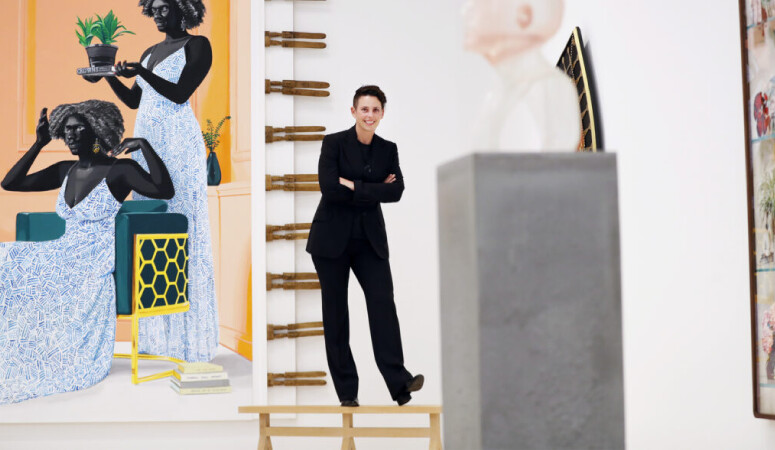
Jessica Silverman
Art Dealer, Jessica Silverman Gallery
San Francisco has always rewarded those who think differently and that ethos has shaped how we operate. The city also has one of the deepest arts cultures in the country — world-class museums, incredible artists, a serious collecting community, and audiences who pay attention. That’s an incredible foundation that doesn’t get enough credit. What’s happening in the Bay Area is genuinely exciting without external validation. Artists are embracing new technologies, innovating across all forms of creative expression, engaging with diasporic legacies, histories of activism, and radical change. Rupy C. Tut and Sadie Barnette, for example, are doing work that matters on any stage. Design and craft are very much in the DNA of the Bay Area art community.
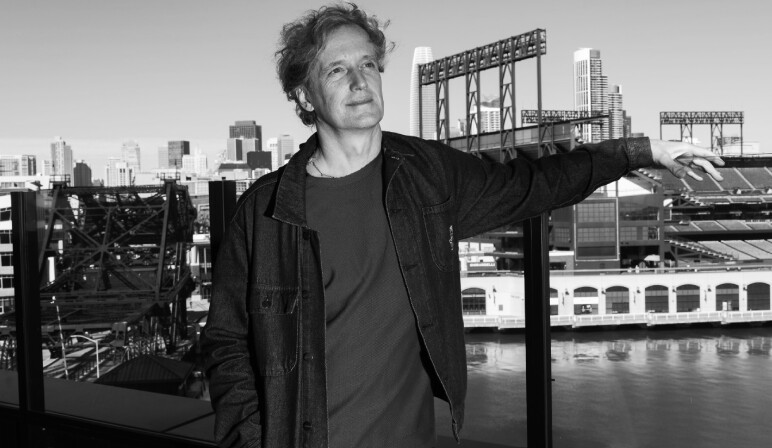
Yves Béhar
Founder and Principal Designer, Fuseproject
San Francisco’s business culture welcomed me at a very young age, and was willing to hear the ideas of a twentysomething with a thick accent. What makes the Bay Area unique is the people here from all around the world who are looking for co-conspirators to bring their skills and unique experiences at the service of a big idea. Twenty-five years later, I’m still here while also building an office in Lisbon, Portugal. People here are willing to do more than iterate, to actually invent and transform. This ambition is everywhere, and hence thinking small doesn’t make people interested. There is an appetite for ideas, and a willingness to share those ideas in casual discussions. It’s as if we are all training constantly to be good at brainstorming. For many of us in the Bay, this becomes second nature. There is a fluidity here between many different design fields that collaborate comfortably together. I personally love seeing my team at fuseproject create ideas across technology, user experience, industrial design, furniture and interiors, brand and more. As well as collaborating with people outside that have unique and irreplaceable skills. The other part that is unique here is the fact that the creative community is entrepreneurial, creating their own start-ups and collaborating with venture firms as well. It is a unique ecosystem of creativity, execution, tech skills and capital that is hard to replicate.
Amir Mortazavi
Architect, Studio Mortazavi
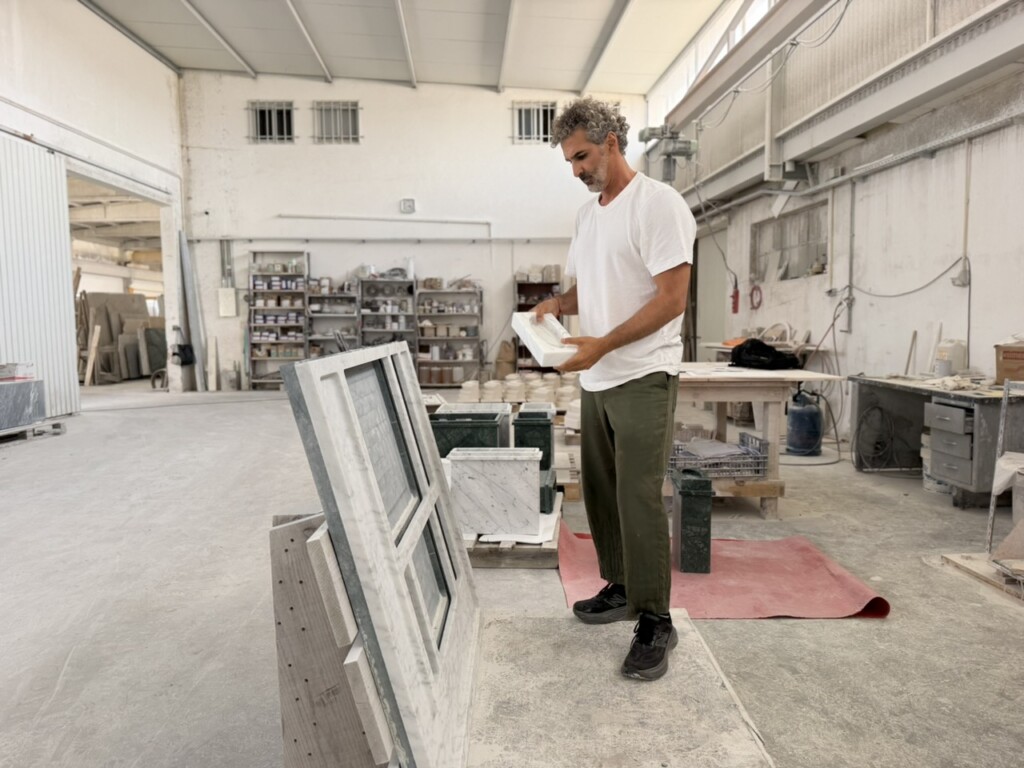
The design community here is small enough that reputation travels at the speed of one good dinner, and large enough that you’re constantly meeting people you didn’t know existed. The scale produces moments of serendipity and moments of epiphany you don’t really get in larger cities, where the design world fragments into silos. What sets it apart most, though, is the depth of the connection to nature, not as a backdrop, but as a material and a teacher. You see it everywhere if you look. Marcos Mafia and his company Mafia Bags upcycling discarded sails into accessories for everyday life. The continuing influence of JB Blunk and his ‘whole log’ approach to carpentry on a generation of woodworkers, with the gallery run by his daughter Mariah Nielson giving those artisans a platform to make and show genuinely singular work. A food culture that’s in constant dialogue with the seasonal, the foraged, the locally farmed. The wind, the land, the sea, and the earth are omnipresent in the creative scenes here. That’s the thread that runs through Bay Area design.
Sydney Blumenkranz
Director, FOG Design+Art
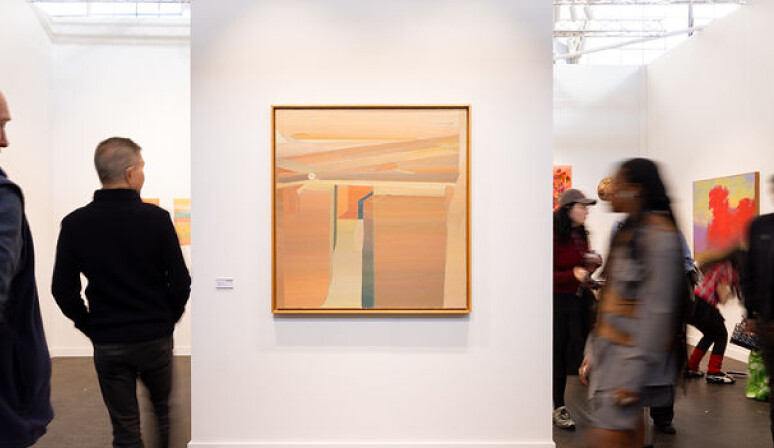
San Francisco’s definition of design is very unique: it can mean different things to the tech community and the arts community. However, one thing all San Franciscans can agree on is that design is central to creativity and innovation. The massive success of FOG Design+Art last year shows that Bay Area collectors are hungry to support the arts and are eager to learn more about contemporary art and design. The established collecting community is deeply entrenched in arts initiatives, while there is a large emerging collector base that is very curious about how to get involved with the art world. The San Francisco Bay Area is a creative hub of art, design, and innovation. While in other cities industries may be more siloed, here there is a really additive cross-pollination between our art and design communities.
Noz Nozawa
Interior Designer, Noz Design
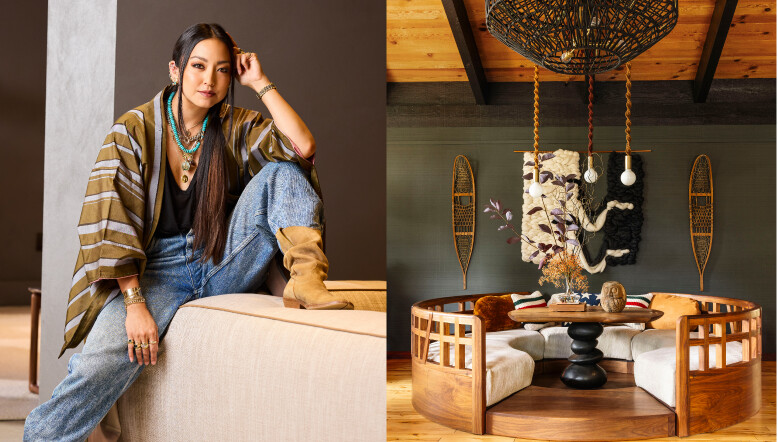
Every city that’s endured over time will teach you the beauty of layering. In San Francisco, I can stand on one street corner and admire colorful Victorian houses, see towering skyscrapers that weren’t there eight years ago, and then turn around to see blankets of fog rolling in over the hillside. That kind of magic can’t not inspire a creative person to want to experiment with contrast and juxtaposition. So many of our creative communities find their way to calling San Francisco home after having spent time in other cities that might have a different frequency or a level of electricity that’s exhilarating but maybe not as balanced. Our community is made of people who love their craft as much as they love their lives away from it, or people who have found ways to integrate their creative practice so well into their lives that it’s seamless. We appreciate how beautiful our city is, how close we are to so many types of natural outdoor settings, how creativity is cool but it’s also nerdy and scholarly and connected to joy.


